Email Marketing for Small Businesses: The Only 3 Emails That Matter
Most owners I talk to have the same email setup: a signup box on the website that nobody finished wiring, a customer list sitting in the register or the booking system, and a plan to start a newsletter that has been pending since last spring. The newsletter plan is what kills the whole channel. Writing to your customers every week, forever, sounds like a second job, so email waits while social posts and ads eat the week.
Skip the newsletter for now. Three automated emails, each sent by a trigger instead of a calendar, cover most of what email does for a small business. The pattern shows up in the platform data too. In Omnisend's 2026 ecommerce report, built from 27 billion emails sent by 150,000 brands in 2025, automated emails were just 2% of all sends and produced 30% of email revenue. An automated email earned $2.87 per send on average, against $0.18 for a scheduled campaign. Timing did that, not volume.
The welcome email does the heavy lifting
Set this one up first. It goes out within minutes of someone joining your list, booking, or buying, while they still remember doing it. GetResponse's benchmarks put the average welcome email open rate at 83.63%, against 39.64% for email overall. Apple Mail privacy features inflate open counts these days, so treat the exact numbers as directional. The gap between a welcome and everything else is too wide to argue with.
Keep it to one email and five jobs. Say what your business does and who it does it for. Point to the single most useful next step, whether that is the booking page, the shop, or a first-order code. Set expectations for how often you write. Tell them what happens next if they just bought or booked. Close by inviting a reply with a real question, because replies from real customers are the cheapest deliverability signal you will ever earn.
The wiring matters more than the wording. The trigger has to live where the address is captured: the checkout, the booking form, the quote request, the point-of-sale signup. When I wire this for a client, the copy takes an hour and the trigger takes the rest of the afternoon, because every platform hides its automation switch somewhere different and half of them default it to off.
Test it with your own address before you call it done. Our own newsletter on this site runs on double opt-in, which means a subscriber who never gets the confirmation email simply never arrives, and no dashboard complains about it. Earlier this month a stale API key in our sending setup stopped a scheduled send cold. A routine check of the sending log caught it. No alert flagged it. Automations fail quietly. A test signup with your personal email, start to finish, is the only proof one works.
The win-back, timed to your calendar
The second email goes to people who bought or booked once and went quiet. Pick the silence window from your own business cycle. A shop might use 90 days. A seasonal trade might use six months, timed so the message lands a few weeks before the season when customers usually call.
Write it short and specific. Name what has changed since they last heard from you: a new service, a new crew member, Saturday hours, a product back on the shelf. Add one clear offer or one easy question, and make leaving painless for anyone who wants out. Send it once, maybe twice. After that, let the address go. A short list of people who open is worth more than a long list training spam filters to bury you, which is the whole problem our deliverability guide walks through.
Shops get a sibling of this one for free: the abandoned cart email. Omnisend's report found welcome and abandoned cart messages together drove 76% of all automation-generated orders. If you sell online, set up both and count the cart email as your win-back.
The review ask is two sentences long
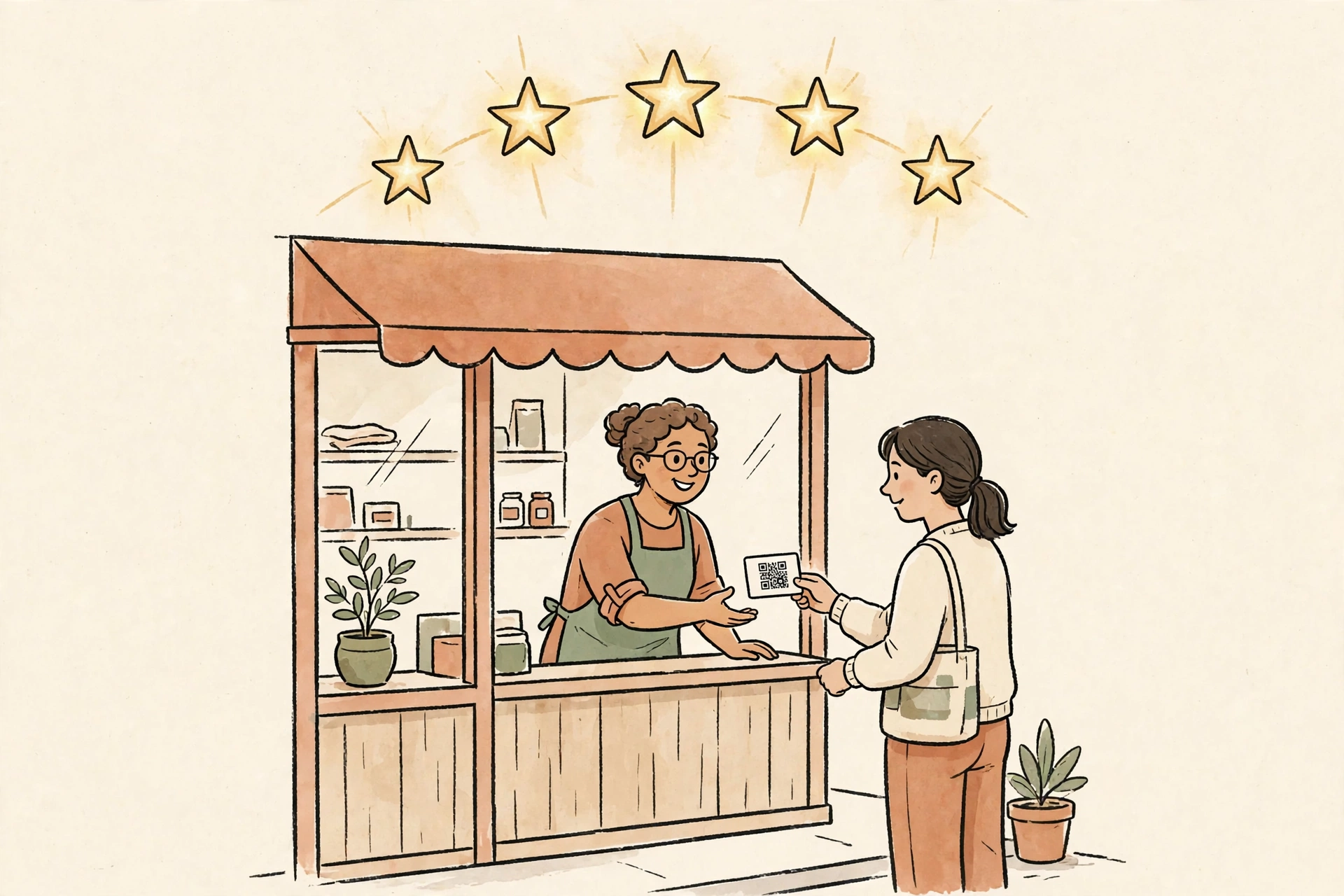
Trigger it a few days after the job is finished or the order lands, while the experience is still fresh. Sentence one thanks them and names the job. Sentence two asks for a Google review and carries the link. That is the entire email. BrightLocal's Local Consumer Review Survey found only 4% of consumers say they never read online reviews, so the reviews this email collects keep working long after it is sent. Our guide to getting more Google reviews covers the asking rules and what to do with a bad one.
What to check twice a year
Automations rot. Platforms update, staff change the booking tool, a domain record gets edited, and the welcome email stops firing in March while you find out in October. Twice a year, join your own list, place a test order or booking, and watch what arrives. Confirm the sending domain still passes the checks in the deliverability guide, and read each email on your phone, because that is where your customers will read it.
Do that check tonight, before you write a word of new copy. Join your own list from your phone and time what lands in your inbox over the next ten minutes. Is it the hello you meant to send?